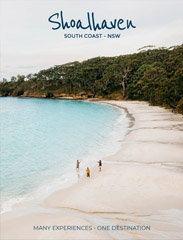

Towering sea cliffs. Turquoise coves. Windswept heathland. Ancient cultural connections. The Beecroft Peninsula is one of the most spectacular and untouched landscapes on the NSW South Coast, offering a glimpse into the wild side of Jervis Bay. Known as Bundarwa to the traditional custodians of this land, the peninsula forms the northern headland of Jervis Bay and remains one of Shoalhaven’s most remarkable coastal wilderness areas.
While many visitors come for the famous Honeymoon Bay, those who venture beyond discover dramatic cliffs, secluded beaches, rich maritime history, incredible wildlife and some of the most breathtaking coastal scenery in the state,
A Peninsula Like No Other
Stretching into the mouth of Jervis Bay, Beecroft Peninsula feels wonderfully remote despite being only a short drive from the small coastal village Currarong. The landscape is shaped by rugged sandstone cliffs, coastal heathland, pockets of forest and pristine beaches where the ocean seems impossibly blue.
While visitors can explore many of the peninsula’s beaches, lookouts and camping areas during designated public access periods, Beecroft Peninsula is also home to an active Defence training range. Access is managed by the Australian Department of Defence and may change at short notice due to military exercises, weather conditions or safety requirements.
Top 10 Things to Do on Beecroft Peninsula (Bundarwa)
Known as Bundarwa by the Jerrinja people, Beecroft Peninsula is one of the wildest and most spectacular parts of Jervis Bay. From dramatic sea cliffs and hidden coves to historic landmarks and unforgettable wildlife encounters, there’s far more to discover than many visitors realise. Pair your visit with nearby adventures around Currarong, including the famous Abrahams Bosom walking tracks, and you’ll quickly see why this rugged peninsula deserves more than just a day trip.
- Visit Point Perpendicular Lighthouse
Standing proudly above the cliffs at the tip of the peninsula, the historic Point Perpendicular Lighthouse offers some of the most breathtaking views on the NSW coast. The lighthouse grounds are accessible during public opening periods, and each year visitors can enjoy the popular lighthouse open day, when the building is opened to the public and its fascinating maritime history comes to life. The lookout sits around 90 metres above sea level, making it one of the region’s premier viewpoints.
- Explore Gosangs Tunnel and Mermaid’s Inlet
One of the peninsula’s most unique adventures, accessed from nearby Abrahams Bosom reserve is Gosangs Tunnel, is a narrow passage that requires you to crawl through a cave of about 30 metres which opens up to a spectacular view of the ocean. This is a fantastic spot for whale watching, and nearby Mermaids Inlet shows a similar perspective, but with a narrow ledge. This is a favourite for photographers and adventurous walkers seeking something a little off the beaten track.
- Camp at Honeymoon Bay
For many visitors, a stay at Honeymoon Bay is the ultimate Beecroft Peninsula experience. Set beside sheltered turquoise waters, this much-loved campground offers a rare opportunity to sleep metres from the shoreline. The calm bay is perfect for swimming, paddling and simply soaking up the tranquillity that makes the area so special.
- Launch a Boat at Long Beach
Long Beach is a favourite access point for boating adventures around the northern reaches of Jervis Bay. Whether you’re heading out for a day of fishing, exploring secluded beaches or arriving by boat from elsewhere in the bay, the pristine waters and dramatic scenery make every journey memorable.
- Cast a Line at Outer Tubes
Shoalhaven anglers know the peninsula offers some exceptional fishing opportunities. Outer Tubes has long been popular with experienced fishers thanks to its rugged rock platforms and access to productive waters. As always, take care around swell conditions and slippery rocks.
- Go Whale Watching from the Clifftops
Few whale-watching experiences rival standing atop the cliffs of Bundarwa as humpback whales migrate past below. During the annual migration season, visitors regularly spot breaching whales, mothers and calves, dolphins and seals from the lighthouse precinct and surrounding lookouts. The area also participates in the annual whale census, where citizen scientists help record sightings along Australia’s coastline.
- Discover the Peninsula’s Hidden Beaches
Beyond Honeymoon Bay lies a collection of lesser-known coastal gems waiting to be explored. Silica Cove is famous for its bright sand and crystal-clear water, while Target Beach offers a more rugged and remote coastal experience. Each beach reveals a different side of the peninsula’s remarkable landscape.
- Swim and Snorkel in Jervis Bay’s Clearest Waters
The protected coves around the peninsula are ideal for swimming and snorkelling. Calm, clear water makes it easy to observe fish, marine life and the underwater landscapes that make Jervis Bay so renowned. Honeymoon Bay remains one of the best spots to slip on a mask and explore below the surface.
- Go Birdwatching Along the Coast
The mix of heathland, cliffs, woodland and marine environments supports an incredible diversity of birdlife. Go on a bird walk and keep an eye out for white-bellied sea eagles soaring above the cliffs, as well as migratory seabirds and coastal species that thrive in this protected environment.
- Explore the Walking Trails
From short coastal strolls to half-day adventures, the peninsula and surrounding Currarong area offer fantastic walking opportunities. Nearby Abrahams Bosom Reserve features some of the South Coast’s most rewarding trails, such as the Coomies Track and Wreck Walk winding through bushland to secluded beaches, dramatic headlands and panoramic lookouts over Jervis Bay. It’s the perfect way to experience the wild beauty of the region at a slower pace.
Before You Go
https://www.shoalhaven.com/place/honeymoon-bay/Because Beecroft Peninsula remains an active Defence training area, access arrangements can change at short notice. Visitors should always check opening times and conditions before travelling, and take care around the area’s high cliffs, unpatrolled beaches and rugged coastal terrain.
The reward is access to one of the most extraordinary coastal landscapes in Australia: a place where towering cliffs meet turquoise bays, history meets wilderness, and every bend in the road reveals another unforgettable view.
Camping at Honeymoon Bay
Camping at Honeymoon Bay is one of the most sought-after outdoor experiences in NSW. Set just metres from the shoreline, the campground allows visitors to fall asleep to the sound of gentle waves and wake up to stunning bay views.
Facilities
The campground offers basic bush camping facilities including:
- Portable toilets
- Garbage and recycling bins
- Direct beach access
Visitors must bring:
- Drinking water
- Food and supplies
- Gas cooking equipment
Pets are not permitted, and solid fuel fires are prohibited. Significant penalties apply for unauthorised fires.
Booking Information
Camping operates via an online booking system. Most bookings become available up to 14 days before arrival, while special release arrangements apply during the December-January holiday period. Due to the campground’s popularity, bookings often fill quickly.
Access & Opening Hours
Unlike most coastal destinations, access to Beecroft Peninsula is managed through an entry station. Visitors enter via the Beecroft Range gate, where they receive important safety information. All visitors should review the induction information before entering.
Because the area remains an active Defence training facility, opening hours can vary.
General public access is typically available:
- Friday afternoons
- Saturdays
- Sundays
- NSW school holiday periods
- Many public holidays
However, military activities, weather conditions and road conditions can affect access at short notice. Visitors should always check current opening information prior to travelling.
Travel Safely
Bundarwa’s beauty is matched by its wild nature. Visitors should be aware of:
- Unpatrolled beaches
- Strong ocean conditions
- High winds
- Cliff edges exceeding 75 metres in height
- Bushfire risk
- Native wildlife and venomous species
- Access restrictions associated with Defence operations
Stay well back from cliff edges, supervise children closely and always obey signs and instructions from Range staff.


